

What is the heat output of a water vapor fireplace?
May 20, 2025
As a supplier of water vapor fireplaces, I often encounter inquiries about the heat output of these innovative heating solutions. Understanding the heat output is crucial for consumers looking to add both warmth and ambiance to their living spaces. In this blog post, I'll delve into what the heat output of a water vapor fireplace entails, factors that influence it, and how it compares to traditional fireplaces.
What is Heat Output?
Heat output refers to the amount of thermal energy a heating device can produce and release into the surrounding environment. It is typically measured in British Thermal Units (BTUs) per hour. One BTU is the amount of heat required to raise the temperature of one pound of water by one degree Fahrenheit. The higher the BTU rating of a fireplace, the more heat it can generate, and the larger the area it can effectively heat.
Heat Output of Water Vapor Fireplaces
Water vapor fireplaces are unique in that they combine the visual appeal of a traditional fireplace with modern technology. Unlike traditional wood - burning or gas fireplaces, water vapor fireplaces create the illusion of real flames using water vapor and LED lights. However, not all water vapor fireplaces are designed to produce significant heat.
There are two main types of water vapor fireplaces in terms of heat output: those with a built - in heater and those without.
Water Vapor Fireplaces without a Heater
Many water vapor fireplaces are primarily designed for their aesthetic value. These models, such as the [3D Electric Water Vapor Fireplace](/water - vapor - fireplace/3d - electric - water - vapor - fireplace.html), create a stunning visual display of flames but do not generate substantial heat. They rely on water vapor and LED lights to mimic the look of a real fire, and any heat they produce is negligible. These fireplaces are ideal for spaces where you want to add a cozy atmosphere without the need for additional warmth, such as in a well - heated room or a display area.
Water Vapor Fireplaces with a Heater
On the other hand, [Water Vapor Fireplace with Heater](/water - vapor - fireplace/water - vapor - fireplace - with - heater.html) models are equipped with a heating element. These fireplaces can produce a significant amount of heat, with heat outputs typically ranging from 1,500 to 5,100 BTUs per hour. The heat output of these fireplaces depends on several factors, including the power of the heating element, the size of the fireplace, and the efficiency of the heat distribution system.
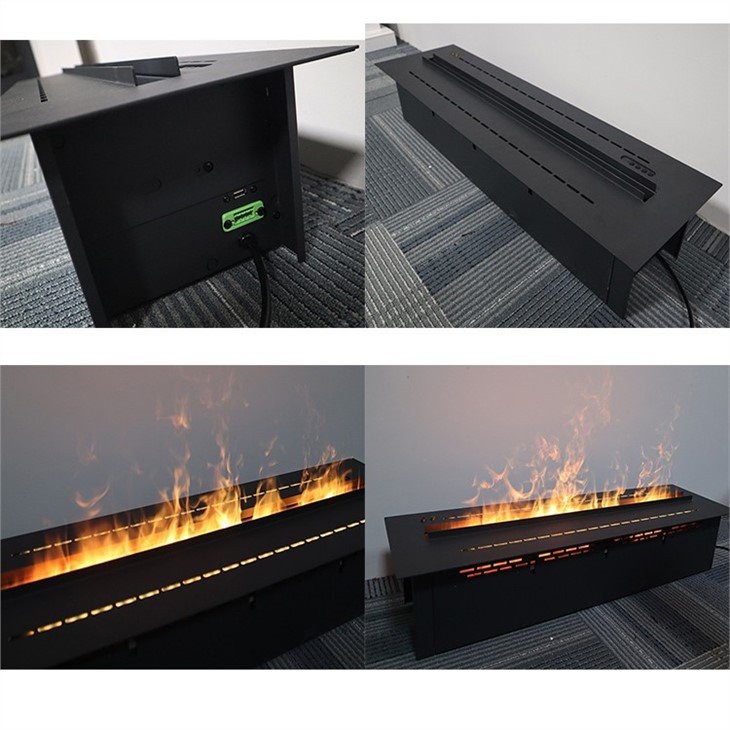

A water vapor fireplace with a lower BTU rating, around 1,500 BTUs, is suitable for small spaces such as a bedroom or a home office. It can effectively heat an area of up to 150 square feet. As the BTU rating increases, the fireplace can heat larger areas. For example, a fireplace with a 5,100 - BTU output can heat a medium - sized living room of up to 400 square feet.
Factors Affecting Heat Output
Several factors can influence the heat output of a water vapor fireplace with a heater:
Power of the Heating Element
The power of the heating element is directly related to the heat output. A more powerful heating element can generate more heat. Most water vapor fireplaces with heaters use electric heating elements, and the wattage of the element determines its power. Higher - wattage elements will produce more BTUs per hour.
Size of the Fireplace
The size of the fireplace also plays a role in heat output. Larger fireplaces may have more space to house a more powerful heating element, allowing them to produce more heat. Additionally, larger fireplaces may have better heat distribution systems, which can help spread the heat more effectively throughout the room.
Insulation of the Room
The insulation of the room where the fireplace is installed affects how well the heat is retained. A well - insulated room will require less heat to maintain a comfortable temperature, and the fireplace will be able to heat the space more efficiently. In contrast, a poorly insulated room will lose heat quickly, and the fireplace may struggle to keep the room warm, even if it has a high heat output.
Air Circulation
Good air circulation in the room is essential for efficient heat distribution. If the air in the room is stagnant, the heat will tend to stay near the fireplace, and the rest of the room may remain cold. Fans or natural air movement can help circulate the warm air throughout the room, ensuring that the heat is evenly distributed.
Comparison with Traditional Fireplaces
When comparing the heat output of water vapor fireplaces with traditional fireplaces, there are some significant differences.
Wood - Burning Fireplaces
Wood - burning fireplaces can produce a large amount of heat, with heat outputs ranging from 10,000 to 80,000 BTUs per hour. However, they are not very efficient. A significant amount of heat is lost up the chimney, and they require a constant supply of wood. Water vapor fireplaces, especially those with heaters, are more energy - efficient and do not produce the mess associated with wood - burning fireplaces.
Gas Fireplaces
Gas fireplaces typically have heat outputs ranging from 7,000 to 60,000 BTUs per hour. They are more efficient than wood - burning fireplaces but require a gas supply. Water vapor fireplaces offer a more flexible option as they are electric and do not require a gas line. They also do not produce harmful emissions like some gas fireplaces.
Why Choose a Water Vapor Fireplace?
Despite having a relatively lower heat output compared to some traditional fireplaces, water vapor fireplaces offer several advantages:
Aesthetic Appeal
The realistic flame effect created by water vapor and LED lights is a major selling point. They can add a touch of elegance and warmth to any room, even in the absence of significant heat. The [LED Light 3D Water Steam Vapor Electric Fireplace](/water - vapor - fireplace/led - light - 3d - water - steam - vapor - electric.html) is a prime example of a fireplace that combines stunning visuals with functionality.
Energy Efficiency
Water vapor fireplaces with heaters are generally more energy - efficient than traditional fireplaces. They only consume electricity when the heating element is in use, and the heat is focused on the area where it is needed.
Safety
Water vapor fireplaces do not produce an open flame, reducing the risk of fire hazards. They are also cooler to the touch compared to traditional fireplaces, making them safer for homes with children and pets.
Conclusion
The heat output of a water vapor fireplace varies depending on whether it has a heater and several other factors. While some models are mainly for visual appeal, those with heaters can provide a comfortable amount of warmth for small to medium - sized spaces. If you're looking for a combination of aesthetic charm, energy efficiency, and safety, a water vapor fireplace could be an excellent choice for your home.
If you're interested in learning more about our water vapor fireplaces or are considering a purchase, we invite you to contact us for a detailed discussion. Our team of experts is ready to assist you in finding the perfect fireplace to meet your needs and preferences.
References
- "Heating and Cooling Load Calculations" by the American Society of Heating, Refrigerating and Air - Conditioning Engineers (ASHRAE).
- "Fireplace Handbook" published by the Hearth, Patio & Barbecue Association.