

What is the heat distribution of a freestanding electric fireplace mantel like?
Oct 02, 2025
Hey there! As a supplier of Freestanding Electric Fireplace Mantels, I've got a ton of knowledge about these awesome home heating and decor items. One question that often pops up is, "What is the heat distribution of a freestanding electric fireplace mantel like?" Well, let's dive right in and explore this topic.
First off, it's important to understand the basic working principle of a freestanding electric fireplace mantel. Unlike traditional wood - burning or gas fireplaces, electric fireplace mantels generate heat using electric heating elements. These elements are usually made of materials like nichrome wire, which heats up when an electric current passes through it.
The heat distribution of a freestanding electric fireplace mantel mainly depends on two key factors: the type of heating system and the design of the fireplace.
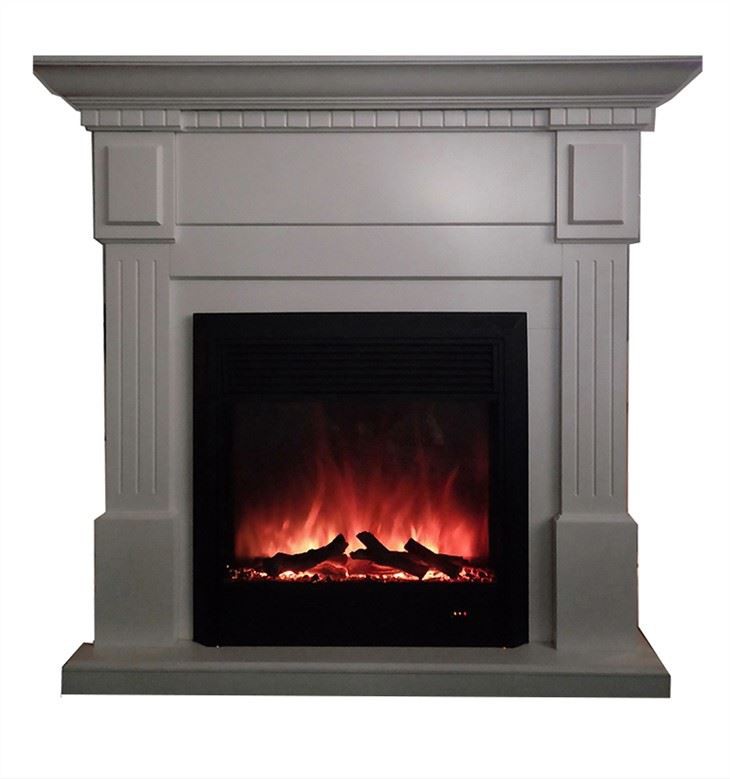

Types of Heating Systems
There are two common types of heating systems in freestanding electric fireplace mantels: forced - air heating and radiant heating.
Forced - Air Heating
Most freestanding electric fireplace mantels use forced - air heating systems. In this system, a fan is used to blow air over the heated element. The hot air is then pushed out into the room through vents. This type of heating system is great for quickly warming up a room.
The fan in a forced - air system can be quite powerful. It can distribute heat throughout a medium - sized room in a relatively short time. For example, in a room that's around 200 - 300 square feet, a well - designed forced - air freestanding electric fireplace mantel can raise the temperature by a few degrees within 15 - 20 minutes.
One of the advantages of forced - air heating is that it can reach areas that are farther away from the fireplace. The moving air can carry the heat across the room, making it feel warm even in the corners. However, the heat distribution might not be completely uniform. You might notice that the air near the vents is hotter, and as you move further away, the temperature gradually decreases.
Radiant Heating
Some freestanding electric fireplace mantels also incorporate radiant heating. Radiant heat works by emitting infrared radiation, which heats up objects and people in its path rather than just the air. This type of heating is similar to the warmth you feel from the sun on a sunny day.
Radiant heating in a freestanding electric fireplace mantel is often used in combination with forced - air heating. The radiant heat can provide a more immediate and cozy feeling, especially if you're sitting close to the fireplace. It's great for those cold evenings when you just want to relax in front of the fire and feel the warmth on your skin.
The range of radiant heat is more limited compared to forced - air heat. It mainly warms up the area directly in front of the fireplace. But it can add a nice layer of warmth to the overall heat distribution in the room.
Design of the Fireplace
The design of the freestanding electric fireplace mantel also plays a big role in heat distribution.
Vent Placement
The placement of the vents is crucial. If the vents are located at the bottom of the fireplace, the hot air will rise naturally, creating a convection current. This can help in distributing the heat more evenly throughout the room. On the other hand, if the vents are on the sides or at the top, the heat will be directed in a different way.
For example, a fireplace with side vents can direct the heat towards the sides of the room, which is great for warming up seating areas that are placed parallel to the fireplace. Some high - end freestanding electric fireplace mantels even have adjustable vents, allowing you to control the direction of the heat flow according to your needs.
Size and Shape of the Mantel
The size and shape of the mantel can also affect heat distribution. A larger mantel might have more surface area for heat to radiate from, which can contribute to a wider spread of heat. Additionally, the shape of the mantel can either enhance or impede the flow of air. A mantel with a smooth and streamlined design will allow the hot air to move more freely, while a mantel with a lot of decorative elements or a complex shape might disrupt the air flow.
Real - World Heat Distribution
In a real - world scenario, the heat distribution of a freestanding electric fireplace mantel can vary depending on the room layout, insulation, and other factors.
If your room has good insulation, the heat will be retained better, and the fireplace will be more efficient in heating the space. On the other hand, if the room has poor insulation, a lot of the heat might escape through the walls, windows, or doors, and the fireplace will have to work harder to maintain a comfortable temperature.
The layout of furniture in the room can also impact heat distribution. If there are large pieces of furniture blocking the vents or the path of the heat, it can disrupt the flow of hot air. So, it's important to arrange your furniture in a way that allows the heat to circulate freely.
Our Freestanding Electric Fireplace Mantels
At our company, we offer a wide range of Freestanding Electric Fireplace and Mantel options. Our Freestanding Electric Fireplace Mantel products are designed with the latest technology to ensure optimal heat distribution.
We use high - quality heating elements and powerful fans in our forced - air systems to quickly and effectively warm up your room. Our mantels are also designed with careful consideration of vent placement and overall shape to promote even heat distribution. Whether you're looking for a mantel for a small living room or a large family room, we've got the perfect solution for you.
If you're interested in learning more about our products or want to discuss your specific heating and decor needs, we'd love to hear from you. Contact us to start a conversation about how our freestanding electric fireplace mantels can transform your living space and keep you warm during the cold months. We're here to help you make the best choice for your home.
References
- "Heating Systems in Electric Fireplaces" - Home Heating Journal
- "The Science of Heat Distribution" - Thermal Science Magazine