

What are the ventilation requirements for an electric fireplace insert?
Nov 18, 2025
Hey there! As a supplier of Electric Fireplace Inserts, I've gotten tons of questions about ventilation requirements. It's a super important topic, so I'm here to break it down for you in plain English.
First off, let's talk about why ventilation matters. You might be thinking, "It's an electric fireplace insert, so why do I need to worry about ventilation?" Well, even though electric fireplaces don't produce combustion by - products like gas or wood - burning fireplaces, proper ventilation still plays a crucial role.
One of the main reasons is heat management. Electric fireplace inserts generate heat, and if the heat isn't properly ventilated, it can build up in the surrounding area. This can lead to a few issues. For example, it can make the room uncomfortably hot, especially if the fireplace is running for long periods. It can also potentially damage nearby furniture, electronics, or even the fireplace itself over time.
Another aspect is air quality. While electric fireplaces don't emit harmful fumes, the air around them can get stale. Good ventilation helps to circulate fresh air into the room, keeping the environment pleasant and healthy.
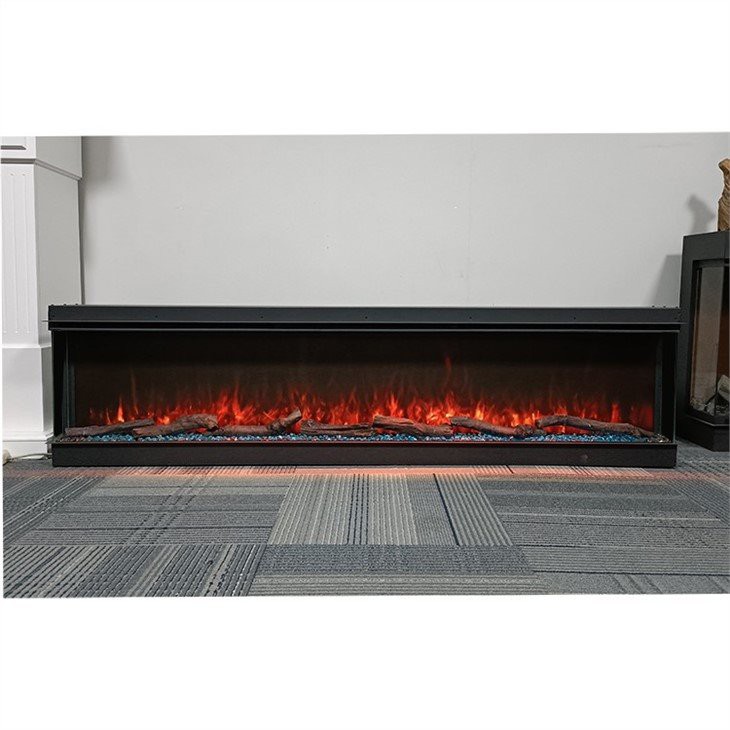

Now, let's get into the actual ventilation requirements.
General Ventilation Guidelines
For most electric fireplace inserts, a well - ventilated room is key. This means having some form of air exchange. In a normal living room setting, having a window or two that can be opened periodically is a great start. Even just a small crack in a window can allow fresh air to enter and stale air to exit.
If you're installing the electric fireplace insert in a room with no windows, like a basement, you'll need to consider other options. A simple solution could be using a wall - mounted exhaust fan. These fans can be set to run continuously or on a timer, helping to pull out the warm, stale air and bring in fresh air from other parts of the house.
Clearance Requirements
When it comes to ventilation, clearance around the electric fireplace insert is also super important. You need to make sure there's enough space around the unit for air to flow freely.
Most manufacturers recommend leaving at least 6 - 12 inches of clearance on all sides of the fireplace insert. This includes the sides, top, and back. This space allows air to circulate around the unit, preventing heat from getting trapped.
For example, if you're installing the Mountain Series Electric Fireplace, make sure you measure the area carefully and leave the recommended clearance. This not only helps with ventilation but also ensures the fireplace operates safely.
Ventilation for Built - in Units
Built - in electric fireplace inserts, like our Built - in Series Wifi Electric Fireplace Insert, have slightly different ventilation needs.
These units are designed to be installed into a wall or a fireplace surround. When installing a built - in unit, it's crucial to follow the manufacturer's instructions regarding ventilation. Some built - in models come with built - in ventilation systems, which are designed to draw in fresh air and expel warm air.
If your built - in electric fireplace insert doesn't have a built - in ventilation system, you'll need to create a ventilation path. This could involve installing a duct system that connects to the outside of the house. The duct should be sized appropriately to ensure proper air flow.
High - Usage Scenarios
If you plan to use your electric fireplace insert frequently or for long periods, you might need to take extra ventilation measures.
For instance, if you're using the Best Electric Fireplace Insert Big Logs in a large open - concept living area and you have a lot of people in the room, the air can get stuffy quickly. In this case, you could consider using a portable air purifier with a fan function. This can help to circulate the air and filter out any dust or odors.
Checking Ventilation Regularly
Once you've set up the ventilation for your electric fireplace insert, it's important to check it regularly. Make sure the vents are not blocked by furniture, curtains, or other objects.
You can also feel the air flow around the fireplace to see if it's working properly. If you notice that the air is not circulating well or the room is getting too hot, it might be time to adjust the ventilation settings or clean the vents.
Conclusion
So, there you have it! The ventilation requirements for an electric fireplace insert are all about keeping the air fresh, managing heat, and ensuring the unit operates safely. Whether you're using a simple freestanding model or a high - tech built - in unit, proper ventilation is essential.
If you're in the market for an electric fireplace insert and have any questions about ventilation or any other aspect, don't hesitate to reach out. We're here to help you make the best choice for your home. Whether you're looking for a cozy addition to your living room or a stylish upgrade for your bedroom, we've got a wide range of electric fireplace inserts to suit your needs. Let's start a conversation and find the perfect fit for you!
References
- Manufacturer's manuals for electric fireplace inserts
- Building codes and regulations regarding indoor air quality and ventilation