

What are the installation requirements for a water vapor fireplace?
Oct 20, 2025
What are the installation requirements for a water vapor fireplace?
As a seasoned supplier of water vapor fireplaces, I've witnessed firsthand the transformative power these innovative heating and decorative elements bring to any space. Their ability to mimic the enchanting glow and warmth of a traditional wood - burning fireplace, without the mess and hassle, makes them a popular choice among homeowners and businesses alike. However, proper installation is crucial to ensure optimal performance and safety. In this blog post, I'll delve into the essential installation requirements for a water vapor fireplace.
Location Selection
The first step in installing a water vapor fireplace is choosing the right location. The area should be flat and stable enough to support the weight of the fireplace. It's important to place the fireplace away from flammable materials such as curtains, furniture, and paper. A clearance of at least 30 inches from any combustible surface is generally recommended.
Additionally, the location should be easily accessible for maintenance and refilling of the water reservoir. You don't want to place it in a corner where it's difficult to reach when you need to clean or add water. Also, consider the viewing angle. A water vapor fireplace is as much a decorative item as it is a heating source, so place it in a spot where it can be easily seen and enjoyed, like in the living room, bedroom, or even a commercial lobby.
Electrical Requirements
Water vapor fireplaces are electrically powered, so a proper electrical supply is a must. Before installation, check the power requirements of the specific model you've purchased. Most water vapor fireplaces operate on standard 120 - volt household electrical outlets, but some larger or more feature - rich models may require a 240 - volt outlet.
It's essential to use a dedicated circuit for the fireplace. This means the circuit should not be shared with other high - power appliances such as refrigerators, washing machines, or air conditioners. Using a dedicated circuit reduces the risk of overloading and tripping the circuit breaker. If you're unsure about the electrical setup, it's highly advisable to consult a qualified electrician. They can ensure that the wiring is correctly installed and that all safety codes are met.
Ventilation
One of the great advantages of water vapor fireplaces is that they don't require traditional chimney ventilation like wood - burning fireplaces. However, some ventilation is still necessary. The fireplace produces water vapor, and if there is no proper ventilation, it can lead to moisture buildup in the room.

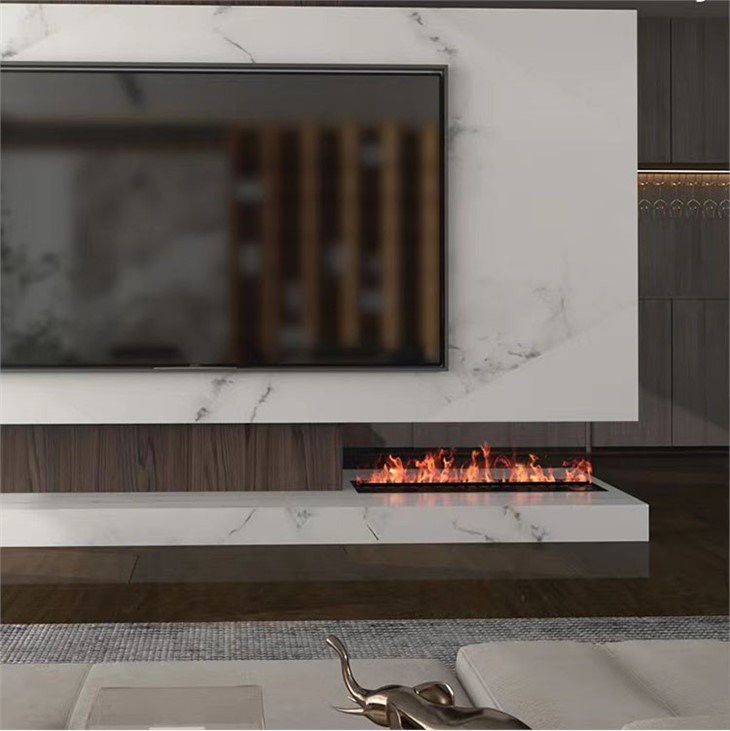
A small amount of natural ventilation, such as an open window or a ventilation fan in the room, can help dissipate the moisture. In a closed - off space, consider installing a small exhaust fan near the fireplace. This will help keep the air fresh and prevent the formation of mold and mildew due to excess moisture.
Water Supply
As the name suggests, water vapor fireplaces rely on water to create the realistic flame effect. You need to ensure a reliable water supply. Most models come with a built - in water reservoir that needs to be refilled periodically. The frequency of refilling depends on the size of the reservoir and the usage of the fireplace.
When refilling the reservoir, use distilled water instead of tap water. Tap water contains minerals and impurities that can build up inside the fireplace over time, leading to clogs and reduced performance. Distilled water is pure and will keep your fireplace running smoothly for longer.
Some larger water vapor fireplaces can be connected to a continuous water supply, similar to a plumbing connection. This is a more convenient option as it eliminates the need for frequent manual refilling. If you choose this option, make sure to hire a professional plumber to install the water connection properly.
Mounting and Assembly
If your water vapor fireplace is a wall - mounted model, you need to ensure that the wall can support its weight. Use the appropriate mounting hardware provided by the manufacturer. Before mounting, mark the location on the wall carefully and use a level to ensure that the fireplace will be installed straight.
For freestanding models, place them on a stable surface. Check that all the parts are properly assembled according to the manufacturer's instructions. Some fireplaces may come with additional components such as decorative logs or LED lights, and it's important to install them correctly to achieve the desired aesthetic effect.
Testing
Once the installation is complete, it's time to test the fireplace. First, fill the water reservoir with distilled water. Then, plug the fireplace into the electrical outlet. Turn on the fireplace and check if the water vapor is being produced correctly and if the flame effect looks realistic.
Listen for any unusual noises, such as rattling or buzzing. If you notice any problems, turn off the fireplace immediately and check for loose parts or other issues. It may be necessary to consult the manufacturer's troubleshooting guide or contact their customer support for assistance.
In conclusion, installing a water vapor fireplace requires careful consideration of various factors, from location and electrical supply to water management and ventilation. By following these installation requirements, you can enjoy the beauty and warmth of your water vapor fireplace for years to come.
If you're interested in purchasing a high - quality water vapor fireplace, we offer a wide range of products, including the Water Vapor Fireplace with Heater, 3D Electric Water Vapor Fireplace, and 3D LED Water Vapor Electric Fireplace. Our products are designed with the latest technology and highest quality standards. If you have any questions or want to discuss your specific needs, feel free to reach out. We're here to help you make the best choice for your space.
References
- Manufacturer's installation guides for water vapor fireplaces
- Electrical safety standards for household appliances
- Building codes related to ventilation and moisture control in indoor spaces