

How does the heat output of a water vapor fireplace compare to other types of fireplaces?
Aug 21, 2025
As a supplier of water vapor fireplaces, I've witnessed a growing interest in these innovative heating solutions. One of the most common questions I receive from customers is how the heat output of a water vapor fireplace compares to other types of fireplaces. In this blog post, I'll delve into this topic, providing a detailed analysis to help you make an informed decision when choosing the right fireplace for your home.
Understanding Water Vapor Fireplaces
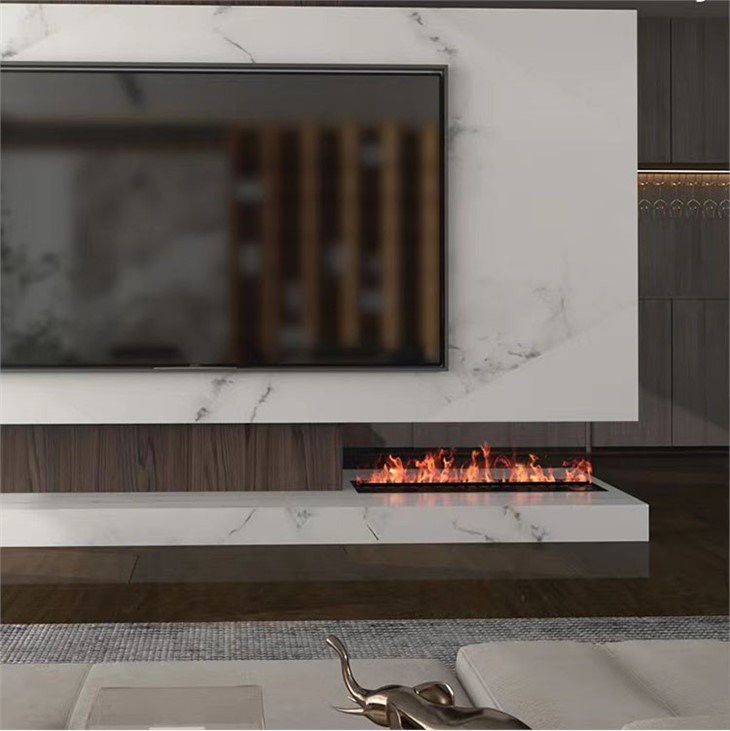
Water vapor fireplaces are a relatively new addition to the market, offering a unique and modern alternative to traditional fireplaces. These fireplaces use a combination of water, LED lights, and a heating element to create the illusion of a real flame. The water is heated and turned into steam, which is then illuminated by the LED lights to mimic the look of a flickering fire.
One of the key advantages of water vapor fireplaces is their energy efficiency. Unlike traditional wood-burning or gas fireplaces, water vapor fireplaces do not produce any real flames or combustion. This means that they do not release any harmful pollutants or emissions into the air, making them a more environmentally friendly option. Additionally, water vapor fireplaces are typically more energy-efficient than other types of fireplaces, as they use less energy to produce the same amount of heat.
Heat Output of Water Vapor Fireplaces
The heat output of a water vapor fireplace can vary depending on several factors, including the size of the fireplace, the power of the heating element, and the efficiency of the unit. Generally speaking, water vapor fireplaces are designed to provide supplemental heat rather than primary heat. This means that they are best used in conjunction with other heating sources, such as central heating systems or space heaters.
Most water vapor fireplaces have a heat output ranging from 500 to 1500 watts. This is equivalent to approximately 1700 to 5100 BTUs (British Thermal Units) per hour. To put this into perspective, a typical wood-burning fireplace can produce anywhere from 10,000 to 60,000 BTUs per hour, while a gas fireplace can produce anywhere from 7,000 to 60,000 BTUs per hour.
While the heat output of a water vapor fireplace may be lower than that of traditional fireplaces, it is important to note that water vapor fireplaces are designed to provide a more focused and efficient source of heat. Unlike traditional fireplaces, which can lose a significant amount of heat through the chimney or flue, water vapor fireplaces are designed to direct the heat into the room, where it is needed most. This means that even though the heat output may be lower, a water vapor fireplace can still provide a comfortable and cozy atmosphere in your home.

Comparing Water Vapor Fireplaces to Other Types of Fireplaces
Now that we have a better understanding of the heat output of water vapor fireplaces, let's compare them to other types of fireplaces to see how they stack up.
Wood-Burning Fireplaces
Wood-burning fireplaces are one of the most traditional and popular types of fireplaces. They offer a classic and rustic look, as well as the warmth and ambiance of a real fire. However, wood-burning fireplaces also have several drawbacks. One of the main disadvantages of wood-burning fireplaces is their low efficiency. Most wood-burning fireplaces have an efficiency rating of only 10% to 20%, which means that only a small fraction of the heat produced by the fire is actually used to heat the room. The rest of the heat is lost through the chimney or flue.
In addition to their low efficiency, wood-burning fireplaces also require a significant amount of maintenance. You need to constantly feed the fire with wood, clean the chimney regularly to prevent creosote buildup, and dispose of the ashes. Wood-burning fireplaces also produce a large amount of smoke and pollutants, which can be harmful to your health and the environment.
Gas Fireplaces
Gas fireplaces are a popular alternative to wood-burning fireplaces. They offer a convenient and efficient way to heat your home, as they can be easily turned on and off with the flip of a switch. Gas fireplaces also produce a consistent and even heat, which can be more comfortable than the uneven heat produced by wood-burning fireplaces.
One of the main advantages of gas fireplaces is their high efficiency. Most gas fireplaces have an efficiency rating of 70% to 90%, which means that they can convert a large percentage of the gas into usable heat. Gas fireplaces also produce fewer pollutants and emissions than wood-burning fireplaces, making them a more environmentally friendly option.
However, gas fireplaces also have some drawbacks. One of the main disadvantages of gas fireplaces is their cost. Gas fireplaces can be more expensive to install and operate than other types of fireplaces, as they require a gas line to be installed in your home. Additionally, gas fireplaces can pose a safety risk if they are not installed or maintained properly.
Electric Fireplaces
Electric fireplaces are another popular option for heating your home. They offer a convenient and cost-effective way to add warmth and ambiance to your room, as they can be easily plugged into an electrical outlet. Electric fireplaces also produce a consistent and even heat, which can be more comfortable than the uneven heat produced by wood-burning fireplaces.
One of the main advantages of electric fireplaces is their energy efficiency. Most electric fireplaces have an efficiency rating of 100%, which means that they can convert all of the electricity into usable heat. Electric fireplaces also produce no pollutants or emissions, making them a more environmentally friendly option.
However, electric fireplaces also have some limitations. One of the main disadvantages of electric fireplaces is their heat output. Most electric fireplaces have a heat output ranging from 1000 to 1500 watts, which is equivalent to approximately 3400 to 5100 BTUs per hour. While this is sufficient to heat a small to medium-sized room, it may not be enough to heat a large room or an entire house.
Conclusion
In conclusion, the heat output of a water vapor fireplace is lower than that of traditional wood-burning or gas fireplaces. However, water vapor fireplaces are designed to provide a more focused and efficient source of heat, which can make them a great option for providing supplemental heat in your home. Additionally, water vapor fireplaces are more energy-efficient and environmentally friendly than other types of fireplaces, making them a more sustainable choice.
If you're interested in learning more about water vapor fireplaces or are considering purchasing one for your home, I encourage you to check out our selection of LED Light 3D Water Steam Vapor Electric Fireplace, Water Vapor Fireplace with Heater, and 3D LED Water Vapor Electric Fireplace. Our team of experts is always available to answer any questions you may have and help you choose the right fireplace for your needs.
If you're ready to take the next step and purchase a water vapor fireplace, please don't hesitate to contact us for more information or to discuss your options. We look forward to working with you to create a warm and inviting atmosphere in your home.
References
- "Fireplace Efficiency Ratings." Energy.gov.
- "Types of Fireplaces." HomeAdvisor.
- "Water Vapor Fireplaces: How Do They Work?" The Spruce.