

Can I install a water vapor fireplace myself?
Sep 18, 2025
Hey there! I'm a supplier of Water Vapor Fireplaces, and I often get asked this question: "Can I install a water vapor fireplace myself?" Well, let's dig into this topic and find out.
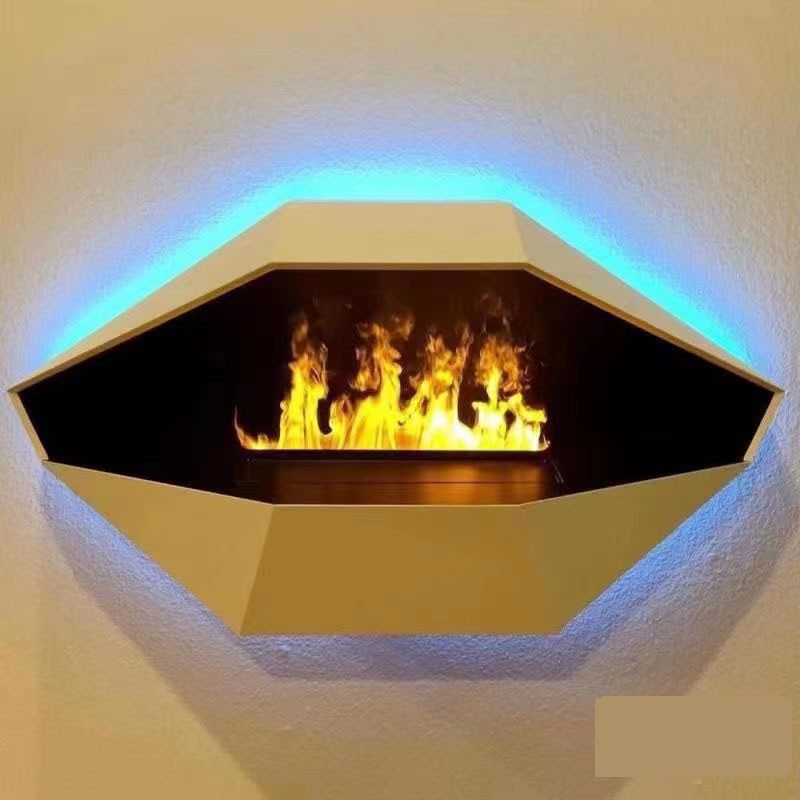
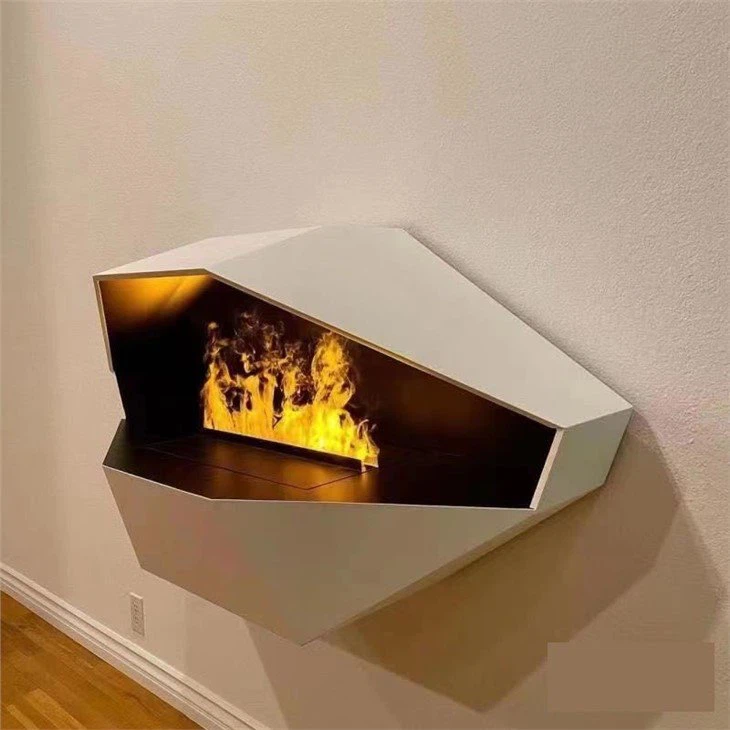
First off, what exactly is a water vapor fireplace? It's a modern and innovative alternative to traditional wood - burning or gas fireplaces. These fireplaces use water vapor to create a realistic flame effect, often enhanced with LED lights. They're energy - efficient, clean, and don't produce any harmful emissions. You can check out some of our amazing models like the 3D LED Water Vapor Electric Fireplace, Water Vapor Fireplace with Heater, and LED Light 3D Water Steam Vapor Electric Fireplace.
Now, back to the main question. The answer is... it depends. There are a few factors to consider before you decide to take on the installation yourself.
1. Your DIY Skills
If you're someone who's handy around the house, has experience with basic electrical work, and isn't afraid to read and follow instructions, then you might be able to install a water vapor fireplace on your own. These fireplaces usually come with detailed installation manuals that guide you through the process step by step.
For example, most water vapor fireplaces need to be connected to a power source. If you know how to safely work with electrical wires and can ensure proper grounding, you're off to a good start. But if you've never dealt with electrical connections before, it might be a bit risky. Electrical work can be dangerous, and a wrong connection could lead to short - circuits, electrical shocks, or even fires.
2. The Type of Fireplace
There are different types of water vapor fireplaces, and the installation difficulty can vary. Some are wall - mounted, while others are freestanding. Wall - mounted fireplaces generally require more work. You need to find the right studs in the wall to ensure a secure installation. If you install it on a weak spot, the fireplace could fall and cause damage or injury.
Freestanding fireplaces are usually easier to set up. You just need to place them in the desired location, connect them to the power source, and fill the water tank. However, you still need to make sure the surface is level and stable to prevent the fireplace from tipping over.
3. Local Building Codes
This is a really important factor that many people overlook. Local building codes vary from one area to another, and they often have specific requirements for fireplace installations. These codes are in place to ensure safety.
For instance, some areas might require a professional inspection after the installation of a fireplace. If you install the fireplace yourself and it doesn't meet the local codes, you could face fines or be required to have a professional redo the installation. So, before you start, it's a good idea to check with your local building department to see what the rules are.
4. Tools and Materials
To install a water vapor fireplace, you'll need certain tools and materials. For a wall - mounted fireplace, you'll likely need a drill, screws, a level, and possibly a stud finder. You also need to make sure you have the right type of screws and anchors for your wall type (drywall, concrete, etc.).
If you don't have these tools on hand, you'll need to buy or rent them. And if you're not familiar with how to use them properly, it can make the installation process more difficult and time - consuming.
The Installation Process (A General Overview)
Let's go through a general installation process for a water vapor fireplace.
Step 1: Choose the Location
Pick a spot that's away from flammable materials, like curtains or furniture. Make sure there's enough space around the fireplace for proper ventilation. If it's a wall - mounted fireplace, mark the area on the wall where you want to install it.
Step 2: Prepare the Wall (for Wall - Mounted Fireplaces)
Use a stud finder to locate the studs in the wall. Mark the positions of the studs on the wall. Then, drill holes in the wall at the marked spots according to the installation manual. Insert the appropriate anchors into the holes.
Step 3: Mount the Fireplace
Lift the fireplace and align it with the holes in the wall. Insert the screws through the fireplace's mounting brackets and into the anchors in the wall. Use a level to make sure the fireplace is straight, and tighten the screws securely.
Step 4: Connect the Power
Plug the fireplace into a grounded electrical outlet. Make sure the cord is not pinched or damaged. If your fireplace has additional features like a heater, test the power connection to ensure everything is working properly.
Step 5: Fill the Water Tank
Most water vapor fireplaces have a water tank that needs to be filled. Follow the instructions in the manual to fill the tank with clean water. Some fireplaces have a built - in water level indicator to help you know when the tank is full.
Pros and Cons of DIY Installation
Pros
- Cost - Saving: One of the biggest advantages of installing the fireplace yourself is that you can save money on installation fees. Professional installation can be quite expensive, especially if you're on a tight budget.
- Sense of Accomplishment: There's nothing quite like the feeling of successfully installing something on your own. It gives you a sense of pride and accomplishment, and you'll be able to show off your handy work to your friends and family.
Cons
- Risk of Damage: If you make a mistake during the installation, you could damage the fireplace. And since these fireplaces are often quite expensive, replacing a damaged part can be costly.
- Safety Concerns: As mentioned earlier, electrical work and improper installation can pose safety risks. If you're not confident in your abilities, it's better to leave it to the professionals.
When to Call a Professional
If you're not sure about any part of the installation process, or if you don't have the necessary skills or tools, it's best to call a professional. A professional installer has the experience and knowledge to ensure a safe and proper installation. They're also familiar with local building codes and can make sure your installation meets all the requirements.
In conclusion, while it's possible to install a water vapor fireplace yourself, it's not a decision to be taken lightly. Consider your skills, the type of fireplace, local building codes, and the availability of tools before you start.
If you're interested in purchasing a water vapor fireplace from us, we're here to help. Whether you need advice on installation or have any other questions, don't hesitate to reach out. We're always happy to assist you in making the right choice for your home.
If you want to learn more about water vapor fireplaces, you can check out industry - related magazines and websites. Many of them have articles and reviews that can provide valuable information.
References
- General knowledge about water vapor fireplaces and home improvement.
- Installation manuals of various water vapor fireplaces.