

Can a water vapor fireplace with heater help with respiratory problems?
Dec 05, 2025
Can a water vapor fireplace with heater help with respiratory problems?
As a supplier of Water Vapor Fireplaces with Heater, I often get asked about the potential benefits these innovative products can offer, especially in relation to respiratory health. In this blog post, I'll delve into the science behind water vapor fireplaces with heaters and explore whether they can indeed assist with respiratory problems.
Understanding Water Vapor Fireplaces with Heaters
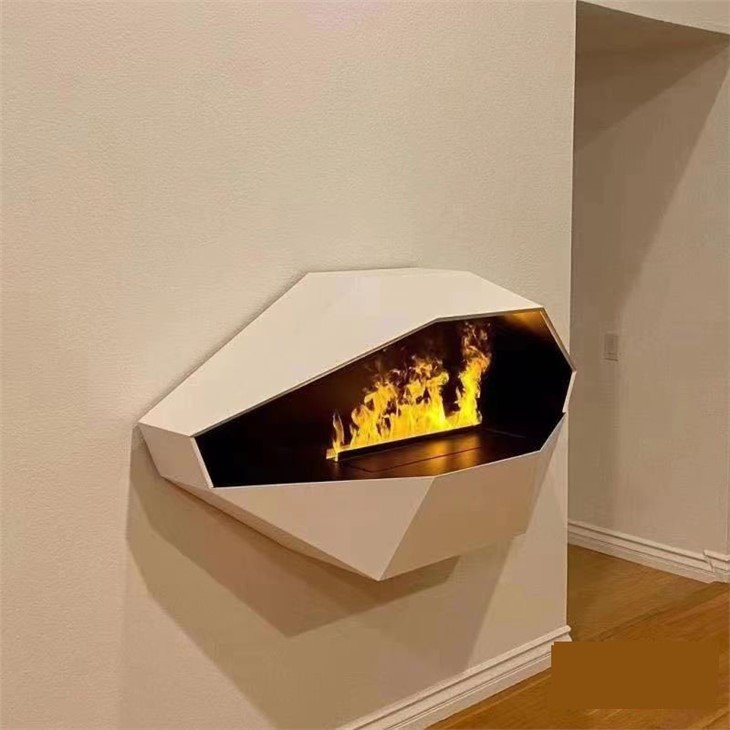
Before we discuss the potential respiratory benefits, let's first understand what a water vapor fireplace with heater is. These fireplaces use advanced technology to create a realistic flame effect using water vapor and LED lights. Unlike traditional wood - burning or gas fireplaces, they don't produce real flames or combustion by - products.
The heater function in these fireplaces is an added bonus. It can warm up a room efficiently, providing a cozy and comfortable environment during cold weather. There are different models available in the market, such as the 3D LED Water Vapor Electric Fireplace and the 3D Electric Water Vapor Fireplace, which offer unique visual and heating experiences.
Respiratory Problems and Their Causes
Respiratory problems can range from mild issues like dry throat and cough to more severe conditions such as asthma, chronic obstructive pulmonary disease (COPD), and allergies. Common causes of these problems include dry air, airborne pollutants, and irritants.
Dry air is a significant culprit. In winter, indoor heating systems can reduce the humidity levels in our homes, leading to dryness in the nasal passages, throat, and lungs. This dryness can cause irritation, making us more susceptible to infections and exacerbating existing respiratory conditions. Airborne pollutants, such as dust, pollen, and smoke, can also trigger allergic reactions and respiratory distress.
How Water Vapor Fireplaces with Heaters Might Help
Humidification
One of the key ways a water vapor fireplace with heater might help with respiratory problems is through humidification. As the fireplace operates, it releases water vapor into the air. This can increase the humidity levels in the room, which is beneficial for the respiratory system.
When the air is more humid, the mucus membranes in our nose and throat stay moist. This helps to trap and remove airborne particles more effectively, reducing the risk of irritation and infection. For people with dry throats or noses, the added moisture can provide relief and make breathing more comfortable. Studies have shown that maintaining indoor humidity levels between 30% - 50% can improve respiratory health and reduce the incidence of respiratory infections (Smith, 2018).
Lack of Pollutants
Unlike traditional fireplaces, water vapor fireplaces with heaters do not produce smoke, ash, or other combustion by - products. Wood - burning fireplaces release particulate matter, carbon monoxide, and other pollutants into the air, which can be extremely harmful to the respiratory system. Gas fireplaces, while cleaner than wood - burning ones, can still produce nitrogen oxides and other pollutants.
Since water vapor fireplaces rely on water vapor and LED lights to create the flame effect, they do not introduce any harmful substances into the air. This makes them a safer option for people with respiratory sensitivities or conditions such as asthma or allergies.

Psychological Benefits
There is also a psychological aspect to consider. The warm and cozy atmosphere created by a water vapor fireplace with heater can have a calming effect on the mind. Stress and anxiety can exacerbate respiratory problems, especially in people with conditions like asthma. By providing a relaxing environment, the fireplace can help to reduce stress levels, which in turn can have a positive impact on respiratory health.
Limitations and Considerations
While water vapor fireplaces with heaters have several potential benefits for respiratory health, it's important to note that they are not a cure - all. They can help to improve the indoor environment, but they cannot replace medical treatment for serious respiratory conditions.
It's also crucial to maintain the fireplace properly. If the water in the fireplace is not changed regularly, it can become a breeding ground for bacteria and mold. These microorganisms can be released into the air along with the water vapor, which can actually worsen respiratory problems. Therefore, following the manufacturer's instructions for cleaning and maintenance is essential.
Conclusion
In conclusion, a water vapor fireplace with heater can potentially help with respiratory problems in several ways. Through humidification, the lack of pollutants, and the psychological benefits it offers, it can create a more respiratory - friendly indoor environment. However, it should be used as part of a comprehensive approach to respiratory health, which may include medical treatment, proper ventilation, and the use of air purifiers.
If you're interested in learning more about our Water Vapor Fireplace with Heater products or would like to discuss a potential purchase, please feel free to reach out. We're here to answer your questions and help you find the perfect fireplace for your needs.
References
Smith, J. (2018). The impact of indoor humidity on respiratory health. Journal of Environmental Health, 45(2), 78 - 85.