

Are there any special storage requirements for a water vapor fireplace with heater?
Nov 13, 2025
As a supplier of Water Vapor Fireplace with Heater, I often receive inquiries from customers about the special storage requirements for these innovative heating and decorative appliances. In this blog post, I'll delve into the key considerations for storing a water vapor fireplace with a heater to ensure its longevity and optimal performance.
Understanding the Components
Before discussing storage, it's essential to understand the main components of a water vapor fireplace with a heater. These units typically consist of a water tank, a heating element, a vapor generator, LED lights for the 3D flame effect, and a control panel. Each of these components has specific requirements to maintain its functionality during storage.
Pre - Storage Preparation
- Cleaning the Unit
- Thoroughly clean the water tank. Empty any remaining water and use a mild, non - abrasive cleaner to remove any mineral deposits or dirt. Rinse the tank several times to ensure no cleaner residue remains.
- Wipe down the exterior of the fireplace with a soft, dry cloth. This helps prevent the buildup of dust and dirt that could potentially scratch the surface during storage.
- For the 3D LED components, use a microfiber cloth to gently clean the lenses. Avoid using harsh chemicals that could damage the LED lights.
- Disconnecting Power
- Always unplug the water vapor fireplace from the power source before storing it. This reduces the risk of electrical hazards and protects the internal components from potential power surges during storage.
- Draining the Water System
- It's crucial to completely drain the water from the system. This prevents water from freezing and expanding in cold storage conditions, which could damage the pipes, the vapor generator, and other water - related components.
Ideal Storage Conditions
- Temperature
- The ideal temperature range for storing a water vapor fireplace with a heater is between 40°F (4°C) and 90°F (32°C). Temperatures below freezing can cause the water in the system to freeze, leading to cracked pipes and damage to the vapor generator. On the other hand, extremely high temperatures can cause the plastic components to warp and the electronics to overheat.
- Humidity
- Keep the storage area dry, with a relative humidity level between 30% and 60%. High humidity can lead to corrosion of metal parts, mold growth on the unit, and damage to the electrical components. If the storage area is prone to high humidity, consider using a dehumidifier.
- Ventilation
- Adequate ventilation is important to prevent the buildup of moisture and odors. A well - ventilated storage area helps maintain a stable environment for the fireplace. Avoid storing the unit in a sealed, air - tight container for long periods.
Storage Location
- Indoor Storage
- An indoor storage area, such as a basement, garage, or closet, is usually the best option. These areas are protected from the elements and can be more easily controlled in terms of temperature and humidity.
- If storing in a basement, make sure the area is not prone to flooding. Elevate the fireplace off the floor using pallets or blocks to prevent water damage in case of a minor flood.
- Avoiding Direct Sunlight
- Direct sunlight can cause the colors of the fireplace's exterior to fade and the plastic components to become brittle over time. Store the unit in a shaded area or cover it with a light - blocking cloth.
Packaging
- Original Packaging
- If available, use the original packaging for storing the water vapor fireplace. The original packaging is designed to provide the best protection for the unit during transportation and storage. It usually has foam inserts that cushion the components and prevent them from shifting.
- Custom Packaging
- If the original packaging is not available, use a sturdy cardboard box that is slightly larger than the fireplace. Fill the empty spaces around the unit with packing materials such as bubble wrap or packing peanuts to prevent it from moving and getting damaged.
Long - Term Storage Considerations
- Periodic Inspections
- If you plan to store the water vapor fireplace for an extended period, it's a good idea to conduct periodic inspections. Check for any signs of damage, mold growth, or corrosion. This allows you to address any issues before they become major problems.
- Testing After Storage
- Before reinstalling and using the fireplace after storage, perform a thorough inspection and test. Check the power cord for any signs of damage, refill the water tank, and turn on the unit to ensure all functions are working properly.
Related Products
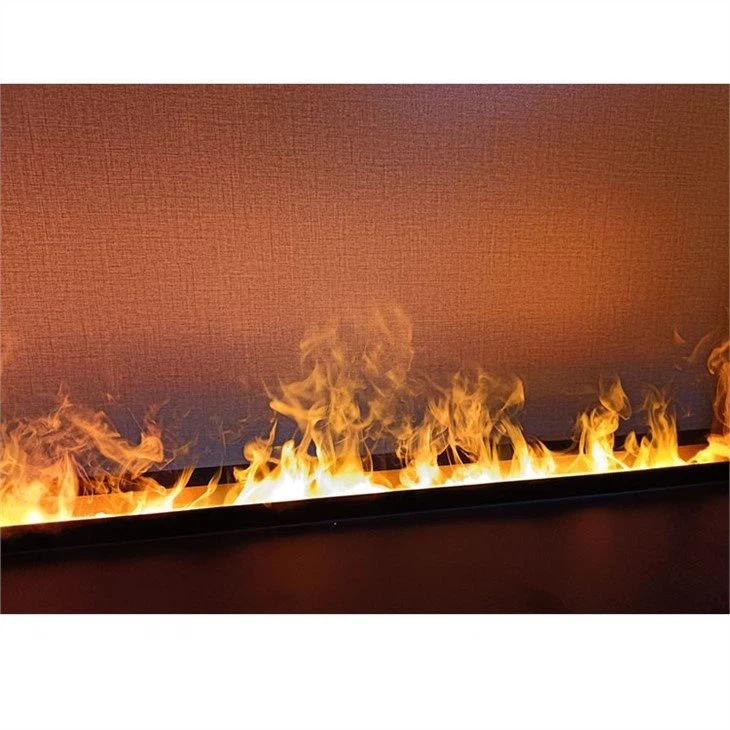
We also offer 3D LED Water Vapor Electric Fireplace and 3D Electric Water Vapor Fireplace, which have similar storage requirements. These products provide a realistic flame effect with the added benefit of water vapor, creating a cozy and inviting atmosphere in any room.

Conclusion
Proper storage of a water vapor fireplace with a heater is essential to maintain its performance and extend its lifespan. By following the guidelines outlined in this blog post, you can ensure that your fireplace remains in excellent condition during storage. If you have any further questions about storage or are interested in purchasing our products, feel free to contact us for a procurement discussion. We are committed to providing high - quality water vapor fireplaces and excellent customer service.
References
- General guidelines for electrical appliance storage from industry standards.
- Manufacturer's instructions for water vapor fireplace with heater maintenance and storage.